

Why does apple taste so good with sharp cheddar? Why does lemon make salmon come alive? Why do peaches work with smoky bacon, or strawberries with fresh basil?
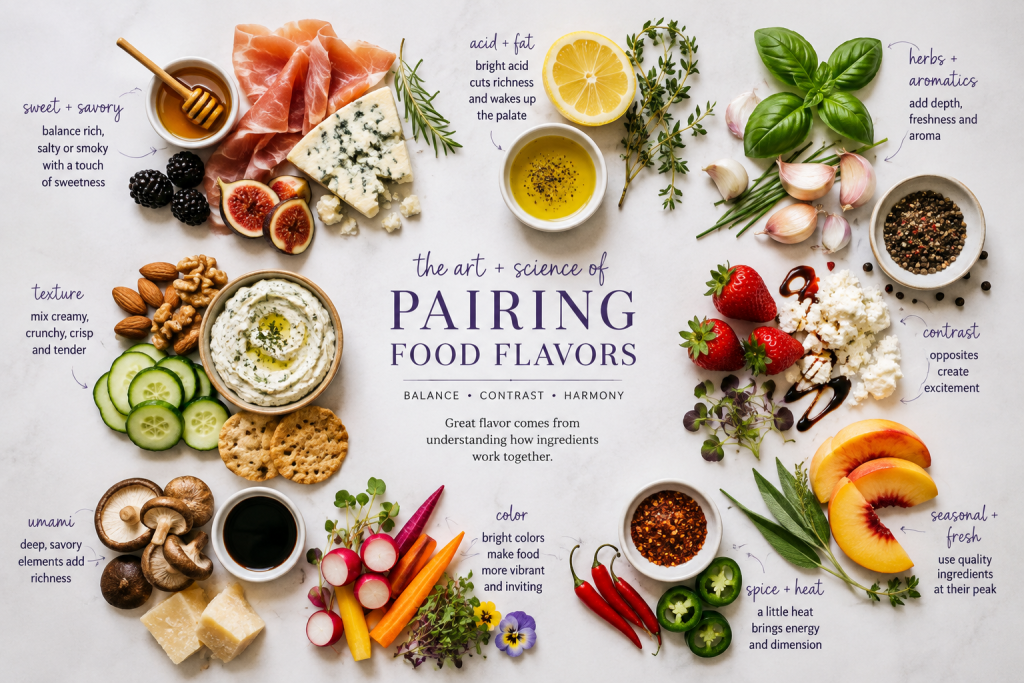
Great pairings may feel instinctive, but there is actually a little science behind them. What we experience as flavor is a combination of taste, aroma, texture and even appearance. Great cooking is often about finding the right balance between sweet, salty, sour, bitter, savory, rich and fresh.
Complement or Contrast
When pairing ingredients, start with the dominant flavor and ask what it needs. Rich foods often benefit from something bright or acidic. That’s why lemon works with salmon, pickles with rich meats and tart fruit with creamy cheeses.
Salty foods frequently welcome sweetness. Think prosciutto and figs, cheddar and apple, feta and watermelon, or pork and peaches. And mild ingredients provide a wonderful canvas for herbs, spices and stronger flavors. The goal isn’t always to find ingredients that taste alike. Sometimes opposites make the better bite.
Herbs, Seasonings & Aroma
Herbs do much more than decorate a plate. Rosemary complements beef, potatoes and robust cheeses. Dill brightens salmon, cucumber and feta. Basil loves tomatoes as well as strawberries and peaches. Sage pairs naturally with pork, apples and autumn vegetables.
Seasonings work the same way. Salt intensifies flavor, pepper adds warmth, chili brings heat, citrus zest adds brightness and smoked spices add depth. The trick is using them to enhance the main ingredient rather than cover it up.
Don’t Forget Texture
Flavor pairing also happens through texture. Creamy loves crunchy. Rich benefits from fresh. Soft becomes more interesting beside crisp.
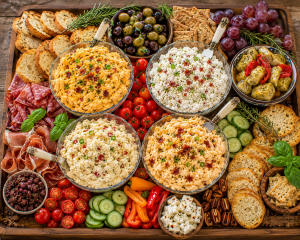
A creamy cheese spread tastes completely different when it’s placed on a crisp cracker with apple, bacon or pecans. That’s also why a great charcuterie board includes breads, crackers, nuts, fruit, vegetables, meats and creamy cheeses rather than simply several foods that taste good individually.
We Eat With Our Eyes First
Color and presentation affect the experience before we ever take a bite. Fresh herbs, colorful vegetables, bright fruit and an occasional edible flower can transform a plate or grazing board. Different heights, shapes and textures make food inviting without making it fussy.
Good presentation should make you want to reach in and try something.
The Fun Begins With Experimenting
Once you understand a few basic principles, pairing becomes less about following a recipe and more about asking: What does this ingredient need? Something sweet? Acidic? Salty? Creamy? Crunchy? Fresh? Spicy?
Try apple with smoked Gouda. Peach with bacon. Lemon with feta and dill. Pork with apple and sage. Chocolate with sea salt. Sharp cheddar with something sweet and spicy.
Science can help explain why certain combinations work, but personal taste still gets the final vote. Sometimes the best discoveries in the kitchen simply begin with: What would happen if we put these together? Let’s find out!!!